product

Best Product In Company Visit
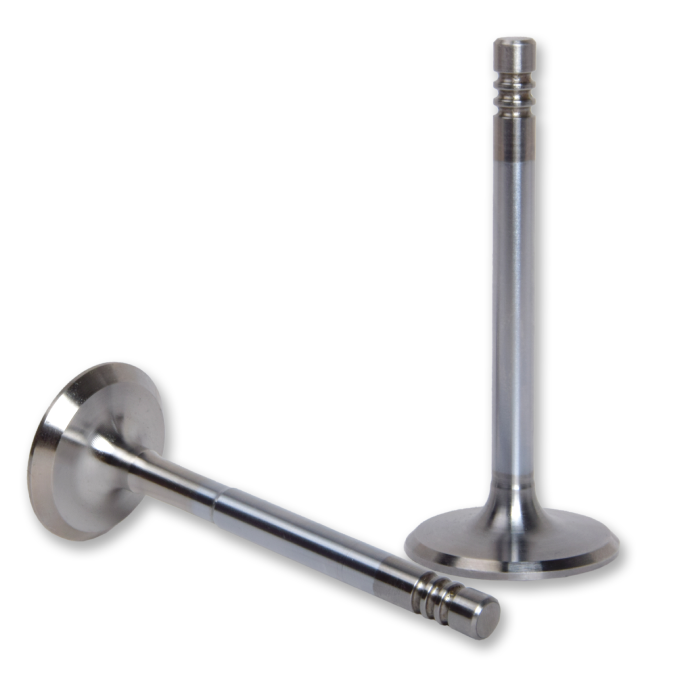
Chrome Plated valves
Valves electroplated using the chromium substance or chromic acid are known as ‘CHROME-PLATED VALVES’. Through this process, the valve gets a highly lustrous layer which protects it from the wear and tears as well as the corrosion.
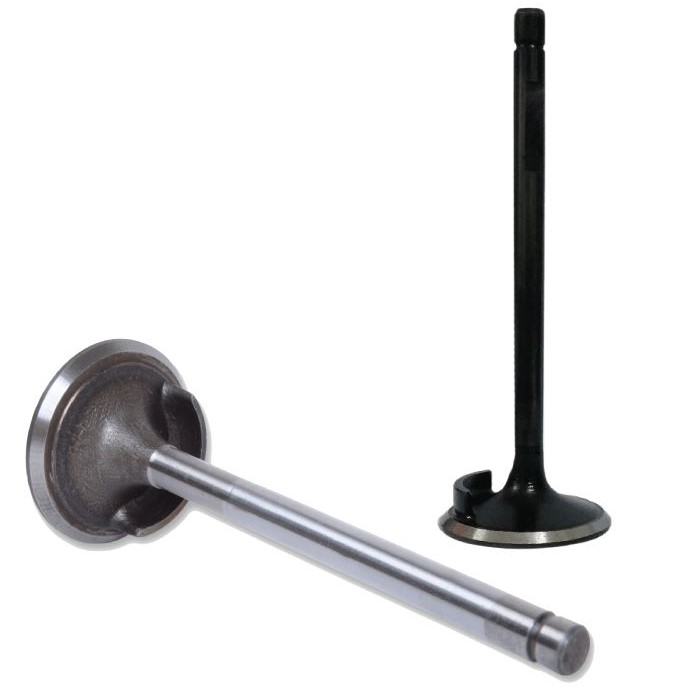
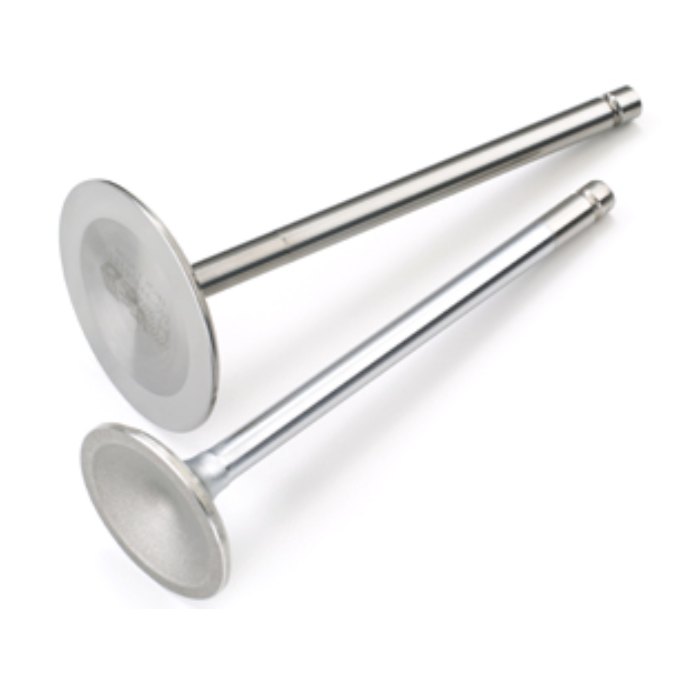
Bottom Welded Vlves
Engine valves which are made up of Austenitic stainless steel except for the tip, which is made up of the Martensitic steel, are known as the ‘BOTTOM WELDING VALVES’.
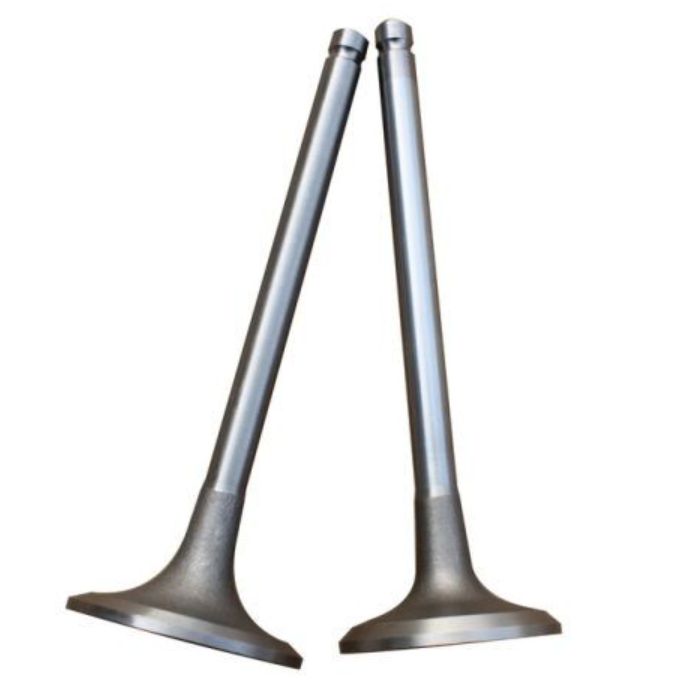
Shot Blasted Valves
Valves which undergo a technological process of removing various impurities from different surfaces using abrasive are known as ‘SHOT BLASTED VALVES’. By this method, the valve gets cleaned, strengthened and polished.
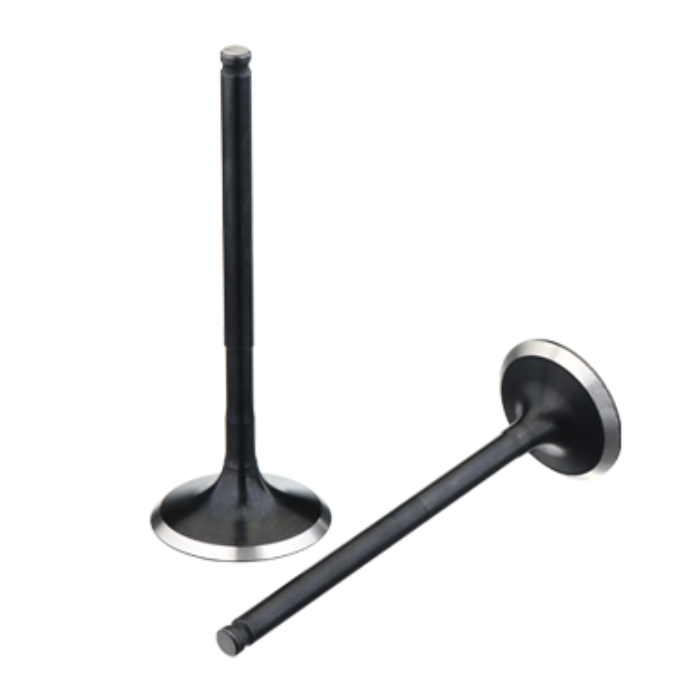
Nitrided valves
The surface of the engine valves which are introduced to nitrogen using dissociated ammonia as the source are known as ’NITRIDED VALVES’. This process makes the valves’ surface case-hard and increases it’s durability.
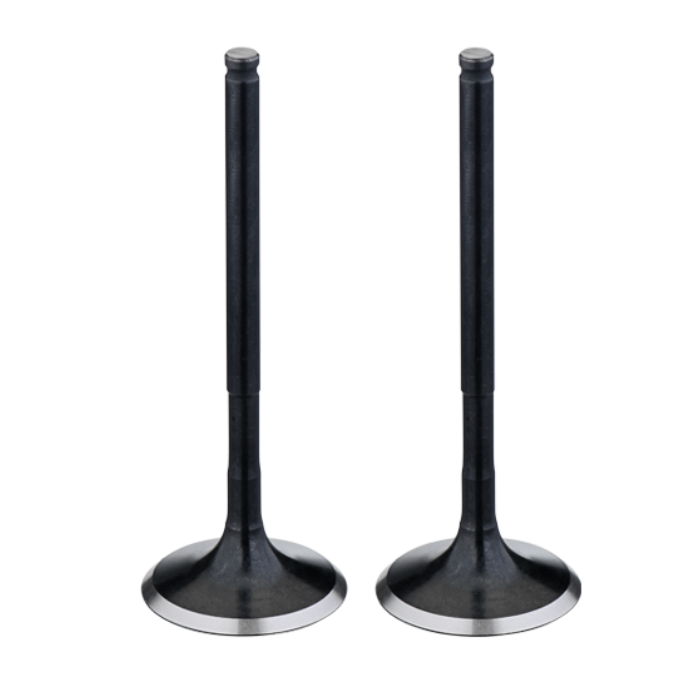
Nitrided valves
The surface of the engine valves which are introduced to nitrogen using dissociated ammonia as the source are known as ’NITRIDED VALVES’. This process makes the valves’ surface case-hard and increases it’s durability.
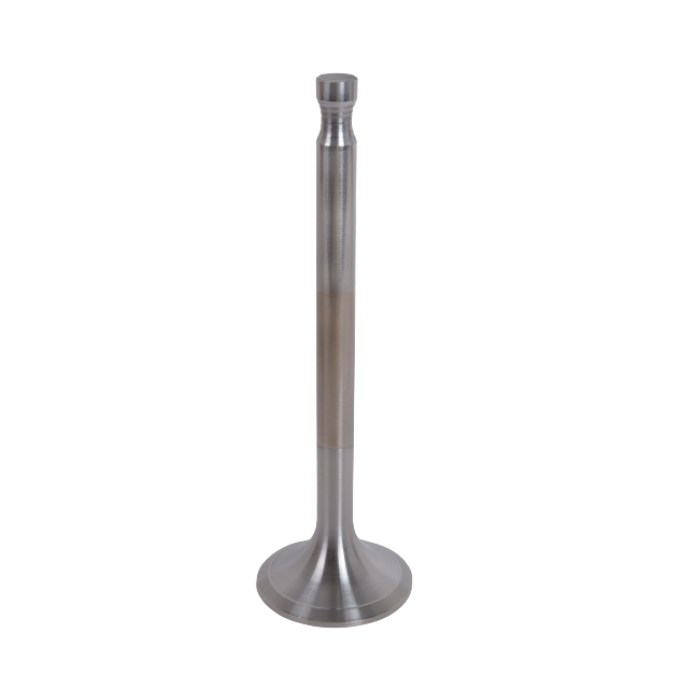
Bi-metal valves
Engine valves made from two different metals ie. Austenitic stainless steel and Martensitic steel are known as ‘BI-METAL ENGINE VALVES’. These materials are joined together by the process of friction welding. Austenitic stainless steel is used in the ‘head’ portion of the valve whereas the Martensitic steel is used in the ‘stem’ portion of the valve. Out of the two materials, Austenitic stainless steel has properties of high heat resistance and corrosion resistance, whereas Martensitic steel has properties of high tensile strength and abrasive wear resistance. This type of valve is mainly used for ‘medium to high’ stressed exhaust valves and ‘high’ stressed intake valves.